فهرست محتوا
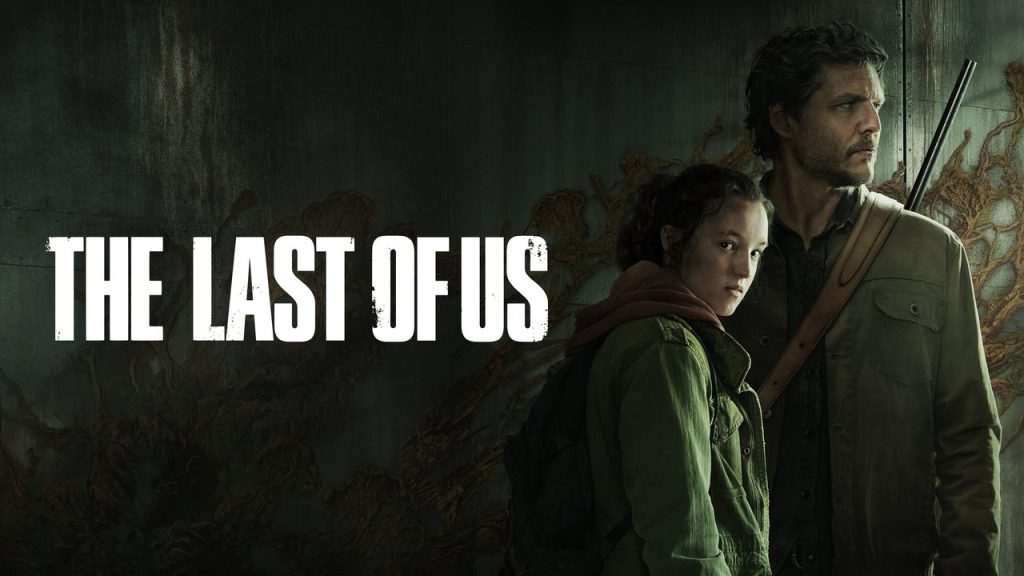
در این بخش از آموزش زبان با سریال The Last of Us، سکانس ابتدایی قسمت اول را بررسی میکنیم. این صحنه که درباره ویروسها، قارچها و احتمال یک همهگیری جهانی است، علاوه بر اهمیت داستانی، سرشار از واژگان پیشرفته و اصطلاحات کاربردی انگلیسی است.
در این درس یاد میگیرید:
- لغات مهم و آکادمیک انگلیسی
- اصطلاحات رایج در مکالمه رسمی
- نحوه استفاده از افعال عبارتی (Phrasal Verbs)
- تقویت مهارت لیسنینگ و درک مطلب
متن و ترجمه سکانس اول The Last of Us
And that’s your biggest worry?
و این بزرگترین نگرانی شماست؟
Yes, any kind of virus, but most probably something similar to influenza.
بله، هر نوع ویروسی، اما احتمالا بیشتر چیزی شبیه آنفولانزا.
Because of air travel.
بخاطر تردد هوایی.
Through the air.
از طریق هوا
Coughing…
سرفه
Uh, I-I’m sorry.
عذر می خوام
I meant people. On planes.
منظورم مردم بودن. سوار هواپیما.
Uh, that was something you described in your book.
آن چیزی بود که شما در کتابتون توصیف کردید.
Yes, a new virus in Madagascar, say, could be in Chicago within a matter of weeks.
بله، یک ویروس جدید در ماداگاسکار، می تونه در عرض تنها چند هفته به شیکاگو برسه.
And we end up with a global pandemic. Pan meaning “all.”
و در نهایت به یک همه گیری جهانی منجر خواهد شد. پن به معنی همه است.
The whole world becomes sick all at once.
کل دنیا به یک باره مریض می شن.
Hm… and, uh, Dr. Neuman, you’re also an epidemiologist.
و شما دکتر نیومن، شما هم همچنین یک اپیدمولوژیست هستید.
I presume the prospect of a viral pandemic keeps you up at night as well.
من فکر می کنم چشم انداز یک بیماری همه گیر شما رو شبا بیدار نگه می داره، همچنین.
No.
نه.
No?
نه؟
No.
نه.
All right, well, that’s our show.
خیلی خب، پس برنامه تموم شد.
No.
نه.
Mankind has been at war with the virus from the start.
بشریت از ابتدا با ویروس ها در جنگ بوده.
Sometimes, millions of people die, as in an actual war.
گاهی اوقات میلیون ها نفر همانند یک جنگ واقعی مردن.
But in the end, we always win.
اما در آخر، ما همیشه می بریم.
Uh, but you… Uh, just to be clear, you, you do think microorganisms pose a threat.
اما شفاف تر می گین، شما فکر می کنید میکروارگانیسم ها می تونن خطرناک باشن.
Oh, in the most dire terms.
اوه، به بدترین شکل ممکن.
Bacteria.
باکتری
No.
نه.
You like saying no.
دوست دارین بگین نه.
Yes.
بله.
Not bacteria. Not viruses.
نه باکتری ها. نه ویروس ها.
So?
خب؟
Fungus.
قارچ ها
Yes, that’s the usual response.
بله معولا واکنش همه همینه.
Fungi seem harmless enough.
قارچ ها به نظر بی آزار میان.
Many species know otherwise.
گونه های زیادی خلاف اینو میشناسن.
Because there are some fungi who seek not to kill… but to control.
بخاطر اینکه تعدادی از قارچ ها به دنبال کشتن نیستند … بلکه دنبال کنترل کردن هستند.
Let me ask you, where do we get LSD from?
اجازه بدین از شما بپرسم، ماLSD رو از کجا گرفتیم؟
Where do you get it from?
اونو از کجا گرفتیم؟
It comes from ergot, a fungus.
از ارگوت اومده، نوعی قارچ.
Psilocybin? Also a fungus.
سیلوسایبین؟ همچنین یک قارچ.
Viruses can make us ill, but fungi can alter our very minds.
ویروس ها می توانند ما را مریض کنند، اما قارچ ها می توانند ذهن های ما رو تغییر دهند.
There’s a fungus that infects insects.
نوعی قارچ وجود داره که بر روی حشرات تاثیر میگذاره.
Gets inside an ant, for example, travels through its circulatory system to the ant’s brain, and then floods it with hallucinogens, thus bending the ant’s mind to its will.
بعنوان مثال، داخل یک مورچه می شه، از طریق سیستم گردش خونش وارد مغز مورچه می شه، و سپس اونو پر می کنه با مواد توهم زا، بنابراین ذهن مورچه رو کاملا تحت فرمان خودش درمیاورد.
The fungus starts to direct the ant’s behavior, telling it where to go, what to do, like a puppeteer with a marionette.
قارچ شروع می کنه به هدایت رفتار مورچه، بهش می گه که کجا بره، چکار کنه، مانند یک عروسک گردانی با عروسک خیمه شب بازی.
And it gets worse.
و این بدتر هم میشه.
The fungus needs food to live, so it begins to devour its host from within, replacing the ant’s flesh with its own, but it doesn’t let its victim die.
قارچ احتیاج به غذا داره برای زندگی کردن، بنابراین شروع می کنه به بلعیدن میزبانش از طریق جایگزینی بافت مورچه با بافت خودش، اما اجازه نمیده قربانیش بمیره.
No, it… it keeps its puppet alive by preventing decomposition.
نه، اون عروسک خیمه شب بازیشو زنده نگه میداره با مانع شدن از تجزیه شدن بدنش.
How? Where do we get penicillin from?
چطور؟ پنی سیلین از کجا گرفته شده؟
Fungus.
قارچ ها
Oh…
اوه
Dr. Schoenheiss, you’re in distress.
دکتر شونهیس، شما پریشونید.
Fungal infection of this kind is real, but not in humans.
عفونت قارچی از این نوع واقعی هستش، اما نه در انسان ها.
True, fungi cannot survive if its host’s internal temperature is over 94 degrees.
درسته، قارچ ها نمی توانند زنده بمونن اگر دمای داخلی میزبانشون بیش از 94 درجه باشه.
And currently, there are no reasons for fungi to evolve to be able to withstand higher temperatures.
و در حال حاضر هیچ دلیلی وجود نداره برای تکامل قارچ ها تا بتوانند دمای بالاتر رو تحمل کنند.
But what if that were to change?
اما اگه این تغییر کنه چی؟
What if… for instance, the world were to get slightly warmer?
چی میشه اگه … بعنوان مثال، کمی گرمتر بشه؟
Well, now there is reason to evolve.
خب، در حال حاضر دلیلی برای تکامل وجود داره.
One gene mutates and an ascomycete, uh, candida, ergot, cordyceps, aspergillus, any one of them could become capable of burrowing into our brains and taking control not of millions of us, but billions of us.
یک ژن جهش پیدا خواهد کرد و یک آسکومیست، کاندیدا، اوگوت، کوردیسپس، اسپرگیلوس، یکی از اونها قادر خواهد بود به مغز ما نفوذ کنه و کنترل نه میلیون انسان، بلکه میلیارد ها نفر رو در اختیار بگیره.
Billions of puppets with poisoned minds permanently fixed on one unifying goal: to spread the infection to every last human alive by any means necessary.
میلیاردها عروسک خیمه شب بازی با ذهن های مسموم بطور دائم بر روی یک هدف متمرکز شده اند: انتقال عفونت به آخرین انسان زنده به هر وسیله ای که لازم باشه.
And there are no treatments for this.
و برای آنها هیچ درمانی وجود نداره.
No preventatives, no cures.
بدون پیشگیری، بدون درمان.
They don’t exist. It’s not even possible to make them.
آنها وجود ندارن. حتی درست کردنشون هم ممکن نیست.
So if that happens?
خب اگه همچین اتفاقی بیفته؟
We lose.
ما شکست میخوریم.
Uh, we’ll be back.
آه، ما خواهیم برگشت.
آموزش لغات مهم سکانس اول سریال The Last of US
worry /ˈwɜːri/
a problem that you are anxious about or are not sure how to deal with
مشکل، نگرانی
kind /kaɪnd/
one of the different types of a person or thing that belong to the same group SYN sort, type
نوع
virus /’vaɪrəs/
a very small living thing that causes infectious illnesses
ویروس
probably /ˈprɒbəbli/
used to say that something is likely to happen, likely to be true etc
احتمالا
similar /ˈsɪmɪlər/
almost the same OPP different
شبیه، یکسان
influenza /ˌɪnfluˈenzə/
an infectious disease that is like a very bad cold SYN flu
آنفولانزا
through /θruː/
by means of a particular method, service, person etc
بوسیله
cough /kɒːf/
to suddenly push air out of your throat with a short sound, often repeatedly
سرفه کردن
meant /ment/
the past tense and past participle of mean
I mean
used when explaining or giving an example of something, or when pausing to think about what you are going to say next
منظورم اینه
plane /pleɪn/
a vehicle that flies in the air and has wings and at least one engine
هواپیما
describe /dɪˈskraɪb/
to say what something or someone is like by giving details about them
توضیح دادن
within /wɪðˈɪn, wɪθˈɪn/
during a certain period of time
در طی
a matter of seconds/weeks/hours etc
only a few seconds, weeks etc
تنها چند ثانیه/ هفته/ ساعت و غیره
end up
to be in a particular situation, state, or place after a series of events, especially when you did not plan it
کار به جایی رسیدن، سر در آوردن (از جایی)
global /ˈɡloʊbəl/
affecting or including the whole world
جهانی
pandemic /pænˈdemɪk/
a disease that affects people over a very large area or the whole world
همه گیر
whole /hoʊl/
all of something SYN entire
کل
the world
the planet we live on, and all the people, cities, and countries on it
دنیا
become /bɪˈkʌm/
to start to have a feeling or quality, or to start to develop into something
شدن
sick /sɪk/
suffering from a disease or illness
بیمار، مریض
all at once
if something happens all at once, it happens suddenly when you are not expecting it
در یک لحظه
epidemiology /ˌepədiːmiˈɒlədʒi/
the study of the way diseases spread, and how to control them
همه گیر شناسی
epidemiologist
همه گیر شناس
presume /prɪˈzuːm/
to think that something is true, although you are not certain
فرض کردن
prospect /ˈprɑːspekt/
the possibility that something will happen
چشم انداز
viral /ˈvaɪrəl/
relating to or caused by a virus
ویروسی
keep someone up
to prevent someone from going to bed or sleeping
بیدار نگه داشتن
as well
in addition to something or someone else
همچنین
mankind /ˌmænˈkaɪnd/
all humans considered as a group SYN humankind, man
بشریت
war /wɔːr/
when there is fighting between two or more countries or between opposing groups within a country, involving large numbers of soldiers and weapons OPP peace
جنگ
start
the first part of an activity or event, or the point at which it begins to develop
شروع
(right) from the start
در ابتدا
die /daɪ/
to stop living and become dead
مردن
actual /ˈæktʃuəl/
used to emphasize that something is real or exact
حقیقی، واقعی
in the end
after a period of time, or after everything has been done
در پایان
win /wɪn/
to be the best or most successful in a competition, game, election etc OPP lose
بردن
clear /klɪr/
expressed in a simple and direct way so that people understand
واضح، روشن
microorganism /ˌmaɪkroʊˈɔːɡənɪzəm/
a living thing that is so small that it cannot be seen without a microscope
موجودات خیلی کوچک که بدون میکروسکوپ دیده نمیشن
pose /poʊz/
to exist in a way that may cause a problem, danger, difficulty etc
باعث شدن، ایجاد کردن
threat /θret/
the possibility that something very bad will happen
تهدید
dire /daɪr/
extremely serious or terrible
خیلی جدی
term /tɜːrm/
a fixed period of time during which someone does something or something happens
دوره
bacteria /bækˈtɪəriə/
small living things, some of which cause illness or disease
باکتری
fungus /ˈfʌŋɡəs/ (plural fungi /-dʒaɪ, -ɡaɪ/ or funguses)
a simple type of plant that has no leaves or flowers and that grows on plants or other surfaces.
قارچ
usual /ˈjuːʒəl/
happening, done, or existing most of the time or in most situations
معمول
response /rɪˈspɑːns/
something that is done as a reaction to something that has happened or been said
پاسخ، واکنش
seem /siːm/
if something seems to be true, there are things that make people think it is true
به نظر رسیدن
harmless /ˈhɑːmləs/
unable or unlikely to hurt anyone or cause damage
بی ضرر
enough /ɪˈnʌf/
to the degree that is necessary or wanted
کافی
species /ˈspiːʃiːz/
a group of animals or plants whose members are similar and can breed together to produce young animals or plants
گونه (گیاهی، جانوری)
know /noʊ/
to have information about something
دانستن
otherwise /ˈʌðərwaɪz/
used when saying what bad thing will happen if something is not done
used when saying what would have happened or might have happened if something else had not happened
در غیر این صورت
seek /siːk/
to try to achieve or get something
دنبال چیزی گشتن
kill /kɪl/
to make a person or animal die
کشتن
control /kənˈtroʊl/
the ability or power to make someone or something do what you want or make something happen in the way you want
کنترل کردن
let /let/
to allow someone to do something
اجازه دادن
ask /æsk/
to speak or write to someone in order to get an answer, information, or a solution
پرسیدن
ergot
is a fungus that grows on rye and less commonly on other grasses such as wheat
(نوعی قارچ)
Psilocybin and psilocin
are hallucinogens that produce effects similar to LSD.
(ماده توهم زا هستند)
ill /ɪl/
suffering from a disease or not feeling well SYN sick
بیمار، مریض
alter /ˈɒːltər/
to change, or to make someone or something change
تغییر دادن
very
used to emphasize that you are talking exactly about one particular thing or person
(برای تاکید استفاده میشود)
mind /maɪnd/
your thoughts or your ability to think, feel, and imagine things
ذهن
infect /ɪnˈfekt/
to give someone a disease
بیمار کردن
insect /ˈɪnsekt/
a small creature such as a fly or ant, that has six legs, and sometimes wings
حشره
inside /ɪnˈsaɪd/
in or into a container or other closed space so as to be completely covered or surrounded OPP outside
درون، داخل
ant /ænt/
a small insect that lives in large groups
مورچه
travel /ˈtrævəl/
to go from one place to another, or to several places, especially ones that are far away
سفر کردن
through /θruː/
into one side or end of an entrance, passage, hole etc and out of the other side or end
from one side of an area to the other or between a group of things
از میان، از وسط، سرتاسر
circulatory /ˈsɜːrkjələtɔːri/
relating to the movement of blood around your body
گردش خون
system /ˈsɪstɪm/
a group of related parts that work together as a whole for a particular purpose
سیستم
brain /breɪn/
the organ inside your head that controls how you think, feel, and move
مغز
flood /flʌd/
to arrive in large numbers
هجوم آوردن
hallucinogen /həˈluːsənədʒən/
a substance that causes hallucinations
ماده توهم زا
hallucination /həˌluːsəˈneɪʃən/
something which you imagine you can see or hear, but which is not really there, or the experience of this
توهم
thus /ðʌs/
as a result of something that you have just mentioned
بنابراین
bend your mind to something
to give all your energy or attention to one activity, plan etc
تمام توجه و انرژی گذاشتن بر روی چیزی
will
determination to do something that you have decided to do, even if this is difficult
اراده، عزم
what someone wants to happen in a particular situation
خواسته
direct
to aim something in a particular direction or at a particular person, group etc
هدایت کردن
behavior /bɪˈheɪvjər/
the things that a person or animal does
رفتار
puppeteer /ˌpʌpəˈtɪr/
someone who performs with puppets
عروسک گردان
marionette /ˌmæriəˈnet/
a puppet whose arms and legs are moved by pulling strings
عروسک خیمه شب بازی
worse / wɜːrs/
more unpleasant, bad, or severe
بدتر
devour /dɪˈvoʊə/
to eat something quickly because you are very hungry
بلعیدن
host /hoʊst/
someone at a party, meal etc who has invited the guests and who provides the food, drink etc
میزبان
within / wɪθˈɪn/
inside a person’s body or mind OPP outside
درون
replace /rɪˈpleɪs/
to remove someone from their job or something from its place, and put a new person or thing there
جایگزین کردن
flesh /fleʃ/
the soft part of the body of a person or animal that is between the skin and the bones
پوست
own /oʊn /
used to emphasize that something belongs to or is connected with a particular person or thing and not any other
victim /ˈvɪktɪm/
someone who has been attacked, robbed, or murdered
قربانی
puppet /ˈpʌpɪt/
a model of a person or animal that you move by pulling wires or strings, or by putting your hand inside it
عروسک (نمایش)
alive /əˈlaɪv/
still living and not dead
زنده
prevent /prɪˈvent/
to stop something from happening, or stop someone from doing something
مانع شدن
decompose /ˌdiːkəmˈpoʊz/
to divide into smaller parts, or to make something do this
تجزیه کردن
decomposition /ˌdiːkɒmpəˈzɪʃən/
تجزیه
penicillin /ˌpenɪˈsɪlɪn/
a type of medicine that is used to treat infections caused by bacteria
پنی سیلین
distress /dɪˈstres/
a feeling of extreme unhappiness
پریشانی
infection /ɪnˈfekʃən/
a disease that affects a particular part of your body and is caused by bacteria or a virus
عفونت
real /rɪəl/
something that is real exists and is important
واقعی
human (also human being)
a person
شخص
survive /sərˈvaɪv/
to continue to live after an accident, war, or illness
زنده ماندن
internal /ɪnˈtɜːrnl/
inside your body OPP external
درونی
temperature /ˈtemprətʃər/
a measure of how hot or cold a place or thing is
دما
over /ˈoʊvər/
more than a particular number, amount, or level OPP under
بیش از
degree /dɪˈɡriː/
a unit for measuring temperature
درجه
currently /ˈkɜːr əntli/
at the present time
در حال حاضر
reason /ˈriːzən/
why something happens, or why someone does something
دلیل
evolve /ɪˈvɑːlv/
if an animal or plant evolves, it changes gradually over a long period of time
to develop and change gradually over a long period of time
تکامل یافتن، تحول یافتن
be able to do something
to have the skill, strength, knowledge etc needed to do something
توانایی انجام کاری
withstand /wɪðˈstænd/
to be strong enough to remain unharmed by something such as great heat, cold, pressure etc SYN resist, stand up to
تحمل کردن
what if …?
used to ask what you should do or what the result will be if something happens, especially something unpleasant
چی میشد اگه …؟
for instance
for example
بعنوان مثال
slightly /ˈslaɪtli/
a little
کمی
warmer /ˈwɔːrmər/
گرمتر
gene /dʒiːn/
a part of a cell in a living thing that controls what it looks like, how it grows, and how it develops. People get their genes from their parents
ژن
mutate /ˈmjuːteɪt/
if an animal or plant mutates, it becomes different from others of the same kind, because of a change in its genetic structure
جهش یافتن
ascomycete
(نوعی قارچ)
candida
(نوعی قارچ)
cordyceps
(نوعی قارچ)
aspergillus
(نوعی قارچ)
capable of (doing) something
having the qualities or ability needed to do something
قادر به انجام کاری بودن
burrow /ˈbɜːroʊ/
to make a hole or passage in the ground SYN dig down
نفوذ کردن
poisoned
سمی
permanently /ˈpɜːrmənəntli/
always, or for a very long time OPP temporarily
دائمی
fixed /fɪkst/
ثابت
unify /ˈjuːnɪfaɪ/
if you unify two or more parts or things, or if they unify, they are combined to make a single unit SYN unite OPP divide
متحد کردن
goal /ɡoʊl/
something that you hope to achieve in the future SYN aim
هدف
spread /spred/
if something spreads or is spread, it becomes larger or moves so that it affects more people or a larger area
گسترش پیدا کردن
means /miːnz/
a way of doing or achieving something
روش، وسیله
necessary /ˈnesəsəri/
something that is necessary is what you need to have or need to do
لازم، ضروری
treatment /ˈtriːtmənt/
something that is done to cure someone who is injured or ill
درمان
preventative /prɪˈventətɪv/
intended to stop something you do not want to happen, such as illness, from happening
پیشگیرانه، بازدارنده
cure /kjʊr/
a medicine or medical treatment that makes an illness go away
درمان
exist /ɪɡˈzɪst/
to happen or be present in a particular situation or place
وجود داشتن
possible /ˈpɒsəbəl/
if something is possible, it can be done or achieved OPP impossible
ممکن
happen /ˈhæpən/
when something happens, there is an event, especially one that is not planned SYN occur
اتفاق افتادن
lose /luːz/
to not win a game, argument, election, war etc OPP win
باختن
تقویت لیسنینگ با این سکانس
- یک بار بدون زیرنویس گوش کنید
- بار دوم با زیرنویس انگلیسی
- لغات جدید را یادداشت کنید
- دیالوگ را Shadowing تمرین کنید
آیا قارچ کوردیسپس واقعی است؟ | بررسی علمی ایده سریال The Last of Us
بله، قارچ Cordyceps یک قارچ انگلی واقعی است که در طبیعت وجود دارد. این قارچ بیشتر در مناطق گرمسیری رشد میکند و گونههای مختلف آن میتوانند حشرات را آلوده کنند. ایده اصلی سریال از همین پدیده زیستی الهام گرفته شده است.
تأثیر قارچ کوردیسپس روی حشرات
یکی از معروفترین گونهها، Ophiocordyceps unilateralis است که مورچهها را آلوده میکند. این قارچ پس از ورود به بدن مورچه:
- در بدن حشره رشد میکند
- روی سیستم عصبی آن تأثیر میگذارد
- رفتار مورچه را تغییر میدهد
مورچه آلودهشده به مکانی مرتفع میرود، به سطحی میچسبد و در نهایت قارچ از بدن او رشد میکند و هاگهای خود را در محیط پخش میکند. این پدیده در زیستشناسی به عنوان «دستکاری رفتاری» شناخته میشود.
تفاوت قارچ کوردیسپس واقعی با داستان سریال
در سریال The Last of Us فرض بر این است که نوعی قارچ کوردیسپس جهش پیدا کرده و قادر است انسانها را آلوده کند و کنترل مغز آنها را در دست بگیرد.
اما از نظر علمی:
- قارچ Cordyceps فقط گونههای خاصی از حشرات را آلوده میکند.
- دمای بدن انسان برای رشد این قارچ مناسب نیست.
- هیچ مدرک علمی درباره کنترل ذهن انسان توسط این قارچ وجود ندارد.
بنابراین، گرچه قارچ کوردیسپس واقعی است، اما نسخه انسانی آن که در سریال نمایش داده میشود، کاملاً علمی–تخیلی است.
همه چیز درباره سریال The last of us در سایت IMDB
مرور فیلم های بیشتر
نویسنده Hossein Javadi
سایر مقالات نویسنده

 مطالب مشابه


